Planning a wedding sounds dreamy — until suddenly you're staring at seventeen browser tabs, a notes app full of vendor names, and a Pinterest board that's somehow grown to 400 pins. Where do you even start?
Here's the thing: wedding planning doesn't have to feel like chaos. When you break it down into clear, manageable steps, it starts to feel a lot more like building something beautiful — and a lot less like solving a puzzle with missing pieces.
Whether you're newly engaged and wide-eyed, or a few months in and feeling behind, this guide is your calm starting point. We're going to walk through every major step, in the right order, so nothing sneaks up on you later.
The Short Version
Planning a wedding step by step starts with setting a budget, choosing a date, creating a guest list, and booking a venue — then moves into vendors, ceremony details, invitations, and your wedding-day timeline. It's a lot, but you've got this.
Set Your Wedding Vision
Before you book a single thing, give yourself a moment to just dream. What do you actually want this day to feel like?
This is one of the most fun parts of planning, and it's worth slowing down for. Your vision shapes everything — from the venue you'll love to the vendors who are the right fit for you.
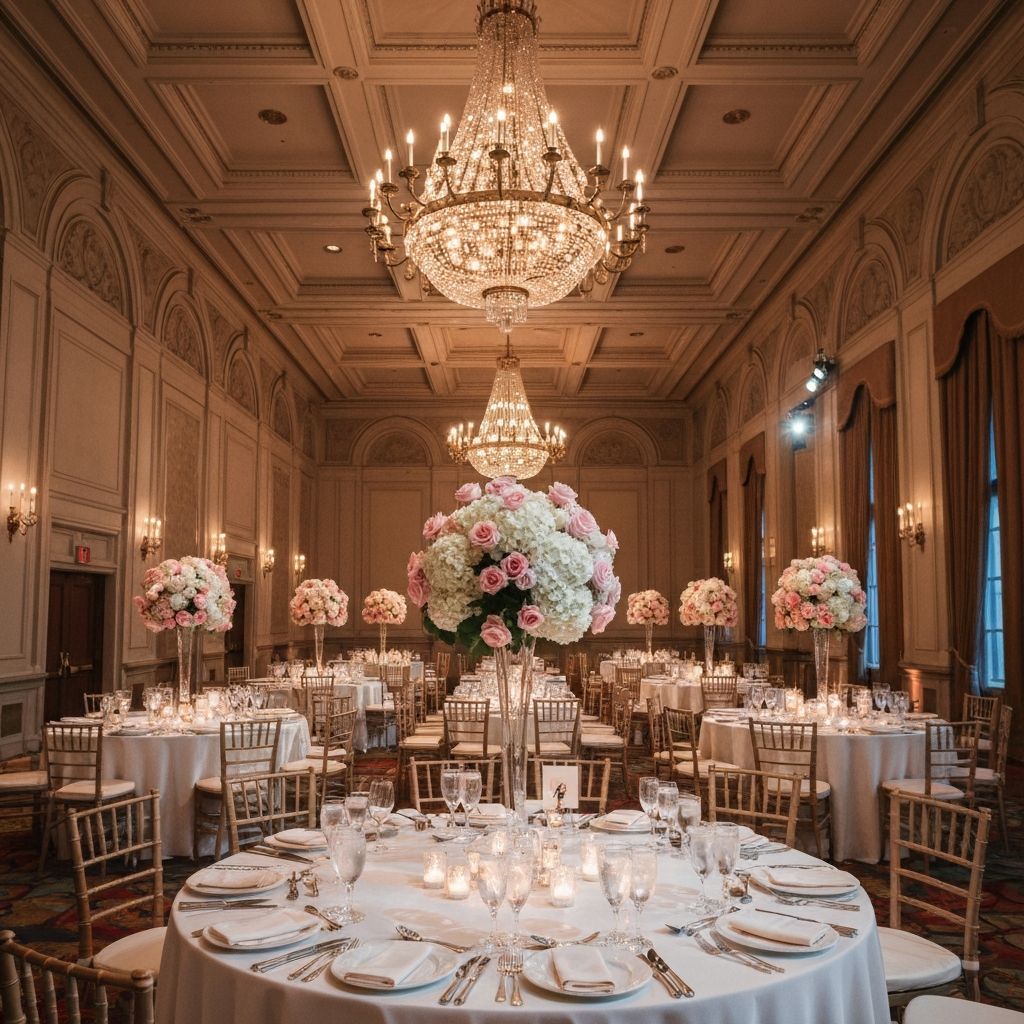
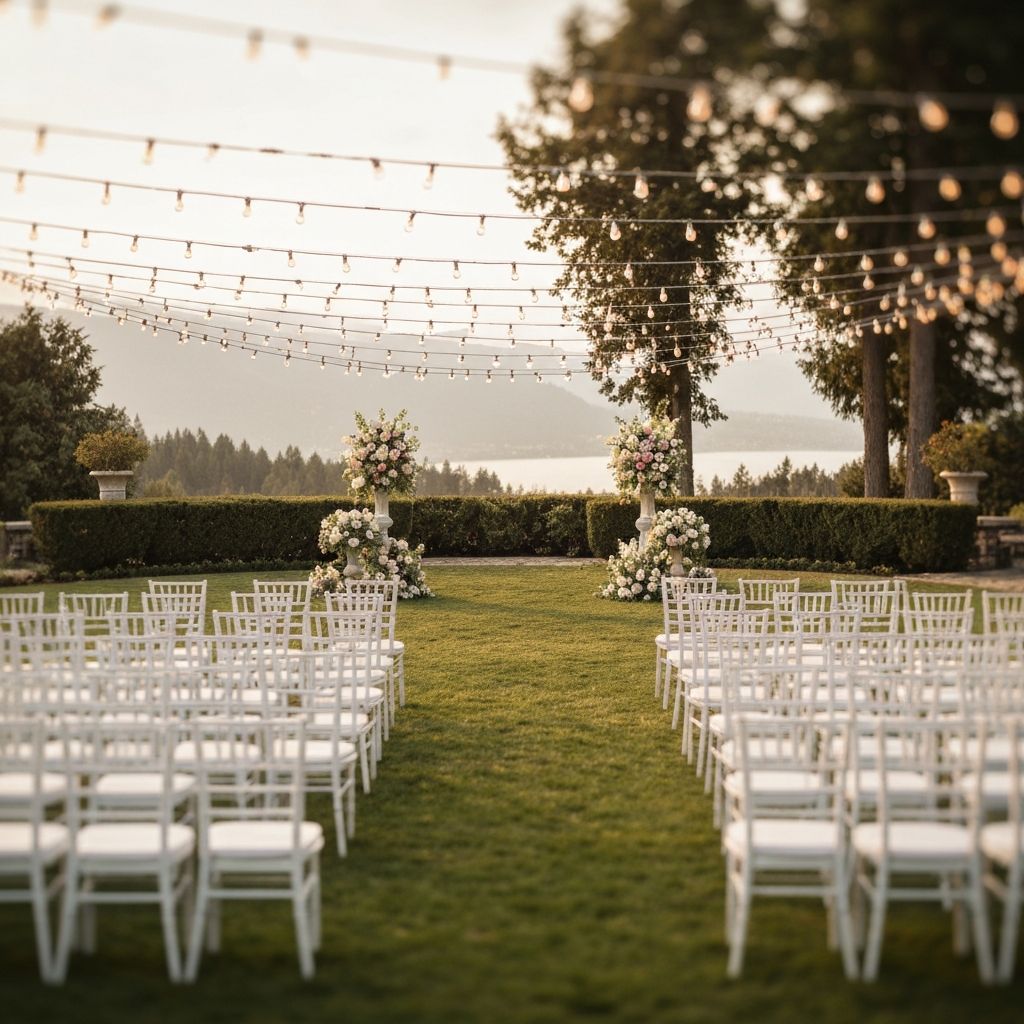
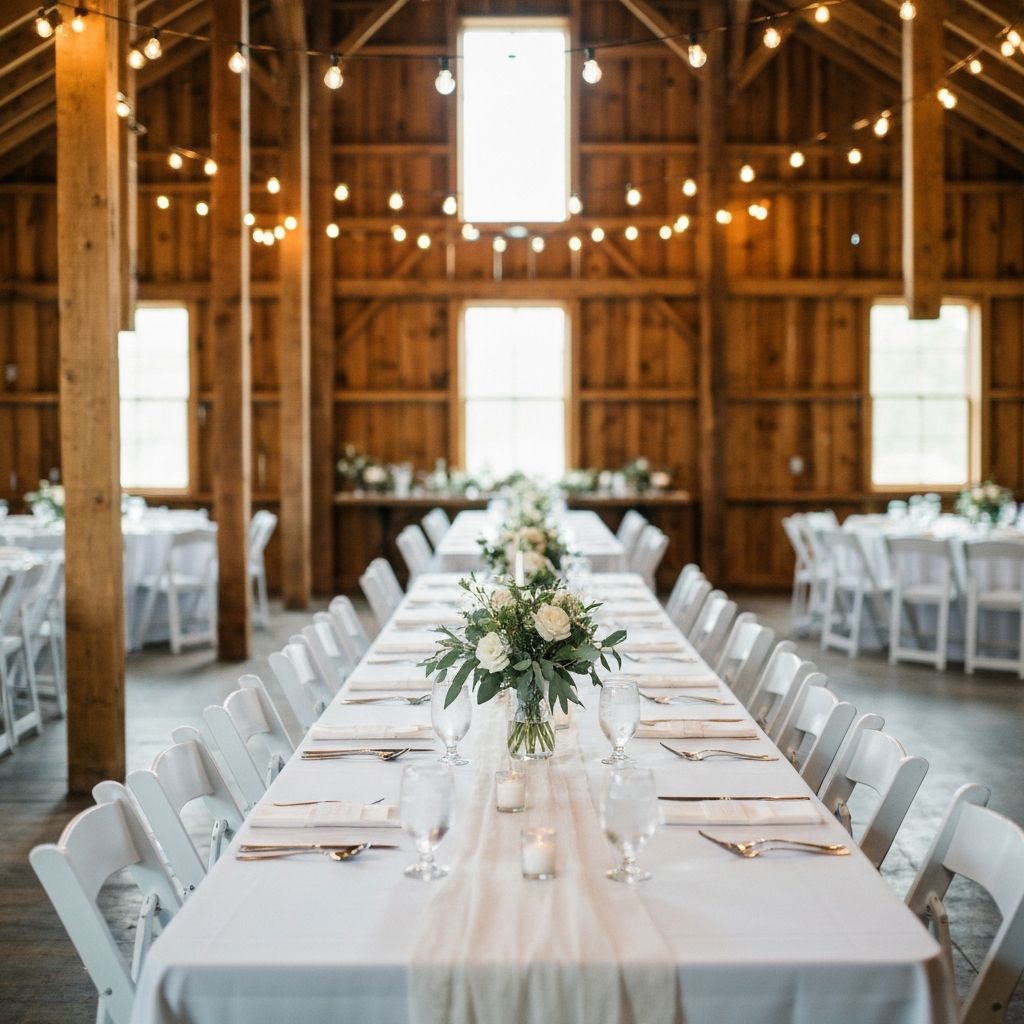
Think through your wedding style (formal and classic? relaxed and rustic? a destination on the beach?), your size (an elopement, a micro wedding, or 150 of your favorite people?), and the season and setting that makes your heart happy.
| Vision Element | Questions to Ask |
|---|---|
| Style | Do we want formal, casual, traditional, or modern? |
| Size | How many guests do we want? |
| Location | Local, destination, indoor, or outdoor? |
| Budget | What can we realistically spend? |
| Experience | What should guests remember most? |
Don't worry if your answers feel vague right now. Your vision will sharpen as you go. The goal is just to give yourself a starting direction — a North Star to guide your decisions.
Create a Wedding Budget
Let's talk about the part that can feel a little uncomfortable: money. But here's the truth — your budget is one of the most helpful tools you have. It's not a limitation. It's a roadmap.
There's no magic number that works for every couple. Wedding costs depend on where you live, how many guests you're hosting, the venue, and the vendors you hire. Start with your realistic number — not what someone else spent.
| Category | Suggested Budget Share |
|---|---|
| Venue and catering | 40–50% |
| Photography and video | 10–15% |
| Attire and beauty | 5–10% |
| Flowers and decor | 8–12% |
| Music and entertainment | 5–10% |
| Invitations and stationery | 2–4% |
| Planner or coordinator | 5–15% |
| Miscellaneous buffer | 5–10% |
A few things most couples don't realize: there are always hidden costs. Tips for vendors, dress alterations, postage, a marriage license, welcome bags. That miscellaneous buffer isn't optional — it's a lifesaver.
Build Your Guest List
Your guest list is connected to almost everything: your venue size, your catering costs, your invitation budget, even how the day feels. So it deserves its own careful thought.
Every guest you add increases costs — more plates, more chairs, more invitations. It sounds transactional, but seeing it clearly helps. Create an A-list (must-haves) and a B-list (would love to invite if space allows). Decide on plus-ones and a kids policy early. Start collecting addresses as you go.
And give yourself grace with this one. Guest lists can bring up complicated feelings — family dynamics, old friendships, people who expect to be included. It's okay to be thoughtful and firm about what's right for you.
Choose a Wedding Date
Your date affects everything: venue availability, travel costs for guests, weather, and even vendor pricing. Peak season (late spring through early fall) is busier and pricier. Off-peak can mean savings and flexibility.
Think about the season that makes your heart happy, family dates to work around, traveling guests, and any meaningful religious or cultural dates. A weekday or Sunday wedding can be more budget-friendly, too.
The most common question: should you choose the date or venue first? Choose a date range first — a season or a few preferred weekends — and confirm your exact date once you've checked venue availability.
Book the Wedding Venue
If there's one booking that deserves top priority, it's this one. Your venue determines your guest capacity, your date, your overall vibe, and sometimes even which vendors you can hire.
When visiting venues, think beyond how pretty they look in photos. Ask the real questions about what's included, capacity, catering rules, the rain plan, vendor arrival times, and parking.
Some venues include catering, tables, chairs, and decor. Others are blank-slate spaces where you bring everything. Neither is better — they just lead to different planning processes.

Hire Your Main Wedding Vendors
This is where things really start to feel real. Your vendors are the people who will make your wedding day happen — and finding ones who truly get your vision makes all the difference.
The main vendors most couples hire: planner or coordinator, photographer, videographer, caterer, florist, DJ or band, officiant, hair and makeup, transportation, and rental companies.
| Vendor | When to Book |
|---|---|
| Venue | 12–18 months before |
| Planner | 12–18 months before |
| Photographer | 9–12 months before |
| Caterer | 9–12 months before |
| Florist | 6–9 months before |
| DJ or band | 6–9 months before |
| Hair and makeup | 6–9 months before |
| Transportation | 3–6 months before |
Finding the right vendor match feels a little like dating — you're looking for someone whose work you love and who you click with personally. Being matched with vendors who already fit your style, budget, and vibe takes so much guesswork out of it.
Create Your Planning Timeline
Think of your planning timeline as your gentle guide for the next several months. It keeps you from scrambling — and from forgetting anything important.
12 months out: set your budget, build your guest list, choose your date range, book your venue, hire a planner, research key vendors, and start dress shopping (yes, this early).
6 months out: send save-the-dates, book any remaining vendors, plan your decor and palette, finalize your menu, book hotel blocks, and start ceremony details.
1 month out: finalize RSVPs, confirm every vendor, create your seating chart, finalize the day-of timeline, prepare final payments and tip envelopes, and pack your emergency kit.
Choose Your Wedding Party
Your wedding party is your inner circle — the people who will stand beside you, literally and figuratively, through this whole journey.
There are no rules here. Some couples have eight on each side. Others have one maid of honor and call it done. Some skip the structure altogether. What matters is choosing people who are genuinely supportive, reliable, and excited for you.
Beyond looking beautiful in photos, your party plays a real role: showers and bachelorette events, attire coordination, emotional support during stressful moments, and helping out on the day itself.
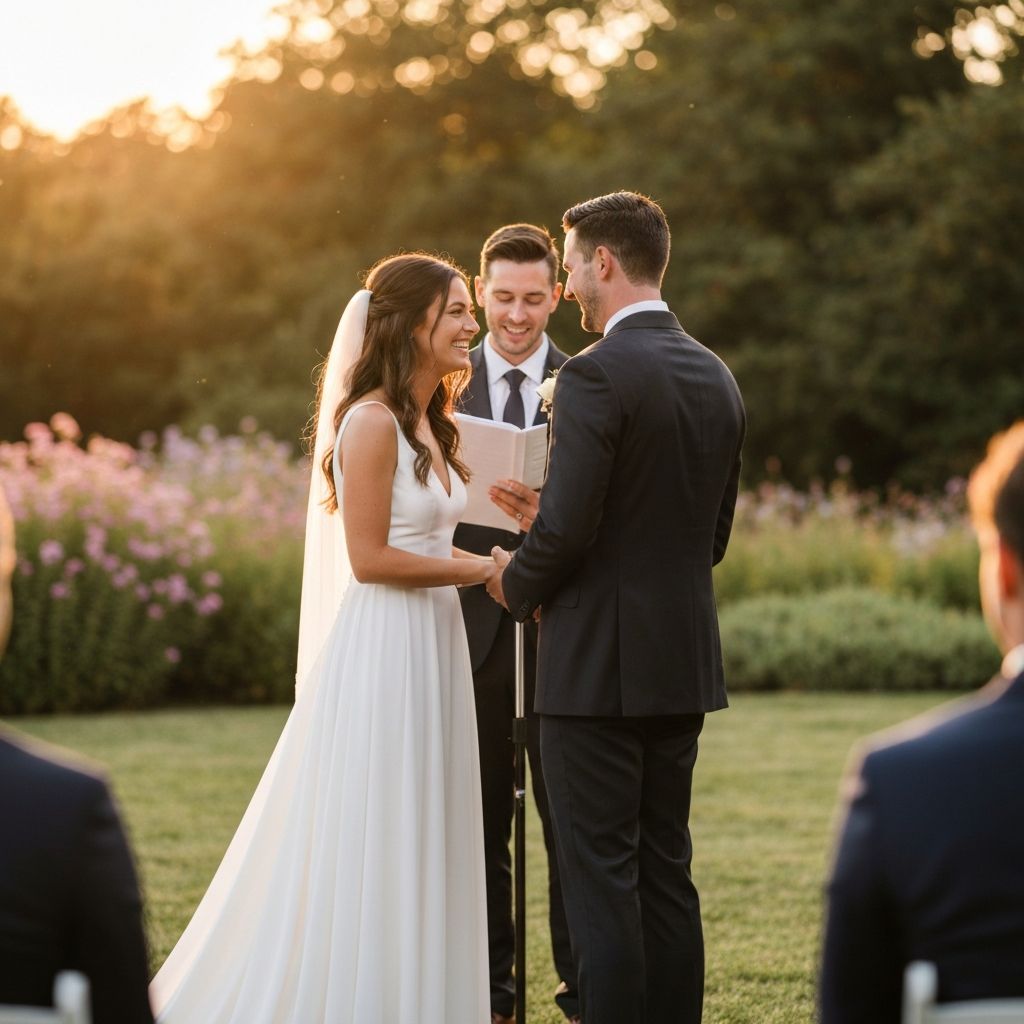
Plan the Ceremony
Your ceremony is the heart of the whole day. It's the part people will feel in their chest long after the reception is over. Give it real love and intention.
Think through the type of ceremony (religious, civil, spiritual, cultural), who will officiate, whether you'll write your own vows, readings or rituals to include, your processional and recessional music, and your marriage license requirements.
Most ceremonies follow this flow: processional, welcome, readings, vows, ring exchange, pronouncement, first kiss, recessional. You can customize this beautifully — add a unity candle, a handfasting, a cultural tradition, or a moment of silence.
Plan the Reception
If the ceremony is the heart, the reception is the celebration. The dancing, the laughter, the toasts that make everyone cry in the best way, the cake, that last song before the send-off.
Every reception looks different depending on your style, venue, and vibe. The important thing is that it flows — guests are fed, entertained, and having fun — and that you actually get to enjoy it too.
| Time | Event |
|---|---|
| 5:00 PM | Ceremony |
| 5:30 PM | Cocktail hour |
| 6:30 PM | Grand entrance |
| 6:45 PM | Dinner |
| 7:30 PM | Toasts |
| 8:00 PM | First dance |
| 8:15 PM | Open dancing |
| 9:00 PM | Cake cutting |
| 10:30 PM | Last dance and send-off |
Choose Your Wedding Attire
Your wedding day look is one of those things you'll remember forever. And so will everyone in the room when you walk in.
Give yourself plenty of time. Wedding dresses often need 4–6 months to be ordered, plus alterations. Start shopping for dresses, suits, and tuxedos 8–12 months before. Wedding party attire: 4–6 months. Accessories and shoes once your main attire is locked in.
Don't forget dress code — black tie, cocktail, garden party, casual. Communicating it on save-the-dates or your wedding website helps everyone show up feeling great.
Send Save-the-Dates and Invitations
Save-the-dates are your early announcement — a heads-up that lets guests clear their calendars, arrange travel, and request time off.
Send save-the-dates 6–8 months before, or up to a year for destination weddings or holiday weekends. Send formal invitations 6–8 weeks before for local guests, or 3 months out for destinations. Include an RSVP deadline 3–4 weeks before the wedding to finalize headcount with your caterer.
Create a Wedding Website
A wedding website is one of the most helpful things you can create — and guests genuinely appreciate having one place to find everything.
Include: a little of your love story, ceremony and reception schedule, venue addresses with map links, dress code, travel info and hotel recommendations, your registry, your RSVP form, and FAQs (parking, kids policy, shuttle info).
You don't need to be tech-savvy — there are beautiful, easy-to-use templates out there. It can go live as soon as your save-the-dates do.
Plan the Wedding Menu
Food is one of the most memorable parts of any wedding. Think about what kind of dining experience matches your vibe — plated, buffet, family-style, or cocktail-style stations.
Work with your caterer to build a menu that fits your budget, guest count, dietary restrictions (vegetarian, vegan, gluten-free, allergies), and celebration style. A tasting is usually included — one of the more delicious parts of planning, honestly.
Don't forget the bar. Open bar, beer and wine only, signature cocktails, mocktails — decide what feels right for you and your guests.
Design the Wedding Decor
Decor is where your wedding's visual personality really comes alive. It doesn't have to be lavish to be beautiful. Even simple, thoughtful touches create something completely magical.
Start with your color palette and build from there. Think through: ceremony arch or backdrop, aisle decor, welcome sign, seating chart display, guest book table, centerpieces, candles and lighting, table linens and place settings, place cards, bar signage, and cake table styling.
Work closely with your florist and rental companies early so they understand your vision. Bringing photos, mood boards, or fabric swatches helps them bring it to life exactly as you imagined.
Arrange Travel and Accommodation
If you have guests traveling from out of town — or your wedding is a destination event — this step deserves extra attention.
Hotel room blocks are one of the kindest things you can do for traveling guests. You negotiate a reserved block at a discounted rate, and guests book before a deadline.
Also think through: shuttles from hotels to the venue, parking info, and welcome bags for out-of-town guests. A little local treat, a water bottle, and a printed schedule goes a long way.
Get the Marriage License
Easy to forget in the swirl of everything else — but this is the one that makes it all legally official.
Requirements vary by location, so check your specific city or county. Some places have a waiting period after you apply; others have an expiration on the license itself. A safe rule: get it a few weeks before the wedding — not so early it expires, not so late you're scrambling.
Your officiant typically signs and submits the license after the ceremony. Confirm this with them well in advance.
Finalize the Seating Chart
For some couples, this is oddly fun. For others, it's the task that makes them briefly consider eloping. Either way, it's a puzzle worth solving thoughtfully.
Group guests by relationship and comfort — family clusters, friend groups, work friends, college friends. Think about who will have the most fun together, and who needs more careful placement.
Consider accessibility for elderly guests and families with small children. And make sure your caterer accounts for vendor meals — your photographer and DJ typically eat during cocktail hour.
Create the Wedding Day Timeline
Your wedding-day timeline is the document that holds everything together. It's your coordinator's bible, your vendor's guide, and your peace of mind.
Share it with everyone working your wedding: planner, venue manager, photographer, videographer, DJ or band, caterer, florist, transportation, officiant, wedding party, and family helping coordinate.
A good timeline includes hair and makeup start times, the first look, ceremony start, family photo groupings, cocktail hour, reception flow, and cleanup. Build in small buffers — things rarely run exactly on schedule, and that's okay.
Confirm Every Vendor
In the week or two before the wedding, reach out to every single vendor to confirm details one final time. It feels like overkill — it's not.
Confirm: arrival time and location, contact name and phone, final payment amount and method, specific setup needs, deliverables, meal requirements for vendors who get one, and emergency contacts.
A quick email or call takes ten minutes and prevents a lot of "wait, where did they say to park?" energy on the actual day.
Prepare a Wedding Emergency Kit
Every bride and wedding party member quietly becomes a hero the day someone asks "does anyone have a safety pin?" Spoiler: you will.
Pack a small bag with: safety pins, a sewing kit, stain remover pen, pain reliever, bandages, tissues, breath mints, phone charger and portable battery, snacks and a water bottle, and makeup touch-up essentials.
It sounds like a lot — but it fits in a tote bag and will absolutely be used. Trust on this one.
Enjoy the Wedding Day
This one sounds obvious. It's actually the hardest step for many couples.
Your wedding day will not be perfect. Something small will go sideways — a flower arrangement will look different than you imagined, the timeline will run a few minutes behind, it might drizzle when you didn't want it to. And none of it will matter.
What you'll remember is the way your partner looked at you. The toast that made your whole table cry. Your grandmother dancing to a song she didn't expect to love. The moment you walked back up the aisle as a married couple.
Delegate. Trust your vendors. Eat and drink water. Stay present — put your phone down sometimes. Expect imperfection, and embrace it. The unplanned moments are often the ones you'll love most.
“Take it one step at a time. Ask for help when you need it. And give yourself permission to enjoy this — even the messy, overwhelming, can't-find-the-right-florist parts of it.”
Common Wedding Planning Mistakes to Avoid
Even the most organized couples can trip over a few of these. Consider this a gentle heads-up.
- Starting without a clear budget (and sticking to it)
- Booking vendors before locking in a venue — the venue drives so many decisions
- Inviting too many guests to fit your real budget
- Forgetting hidden costs like tips, alterations, and postage
- Not reading vendor contracts before signing
- Skipping a weather backup plan for outdoor weddings
- Assuming someone else is handling logistics without confirming
- Building a timeline with no buffer for the unexpected
- Focusing so much on the details that guest experience slips
None of these are catastrophes if they happen — they're just easier to avoid than to fix. And now you know to watch for them.
Wedding Planning FAQs
What is the first step in planning a wedding?
The first step is getting clear on your vision and your budget. Those two things shape every decision that follows — from your guest list to your venue to the vendors you'll love.
How long does it take to plan a wedding?
Most couples plan over 12 to 18 months, which allows plenty of time to book popular vendors and handle logistics without rushing. Smaller or more intimate weddings can come together in 3 to 6 months with flexible vendors and a streamlined guest list.
What are the most important steps in planning a wedding?
Setting your budget, building your guest list, booking your venue, and hiring your key vendors — those are the heavy lifters. Everything else builds naturally from those foundations.
Can you plan a wedding without a planner?
Yes — many couples do it beautifully. If a full planner feels like too much, consider a day-of or month-of coordinator. They step in to manage vendors, timelines, and logistics so you can actually be present on your wedding day.
What should be booked first?
Your venue. It sets your date, your guest capacity, and your location — and it fills up fast. Once your venue is locked in, everything else starts to fall into place.
The Bottom Line
Planning a wedding is a lot. But it's also one of those rare seasons in life where you get to make something truly and completely yours — a day that reflects who you are and how much you love each other.
Take it one step at a time. Ask for help when you need it. And give yourself permission to enjoy this, even the messy, overwhelming, can't-find-the-right-florist parts of it. Because the day you've been planning toward? It's going to be so worth it.
Written by
Sarah Mitchell
Sarah has helped over 600 couples plan and book their weddings across 14 states. She believes the best planning is the kind that leaves you feeling calmer, not more frazzled.